Agrícola Industrial la Lydia, S.A. has its origins in Costa Rica in the 1920s, when Dr. Gilberto Barrantes Sibaja, a pharmacist by profession and a farmer at heart, traveled on horseback from the city of Alajuela to Pital de San Carlos, where he acquired the first 5 acres (4 hectares) and considered it the heart of his future purchases, which he ended up naming Hacienda la Josefina in memory of his mother. Over the years, he and his children changed the name to Agrícola Industrial La Lydia in honor of his wife.
Since its inception, the company has been dedicated to livestock, and in an effort to expand its operations, in 1940 it ventured into importing livestock from Nicaragua, thereby further developing the company. Over the years, Agrícola Industrial la Lydia S.A. also began cultivating cassava, rice, and corn.
Dr. Gilberto Barrantes, as a milk producer, was co-founder of the Dos Pinos Milk Producers Cooperative.
Over the years, Dr. Gilberto Barrantes ventured into coffee, sugarcane, and banana cultivation, and formally developed dairy farms. He imported beef cattle from the United States, becoming the largest producer of Brown Swiss cattle in Central America.
Under the guidance of its General Manager, Engineer Rodolfo Barrantes Rodríguez, son of Don Gilberto—who was always involved in the family business—innovation and development have been fundamental pillars for the company's growth and competitiveness, which remain to this day. Don Rodolfo's vision has focused on constant change, adaptation to new technologies, and the search for innovative solutions to market needs.
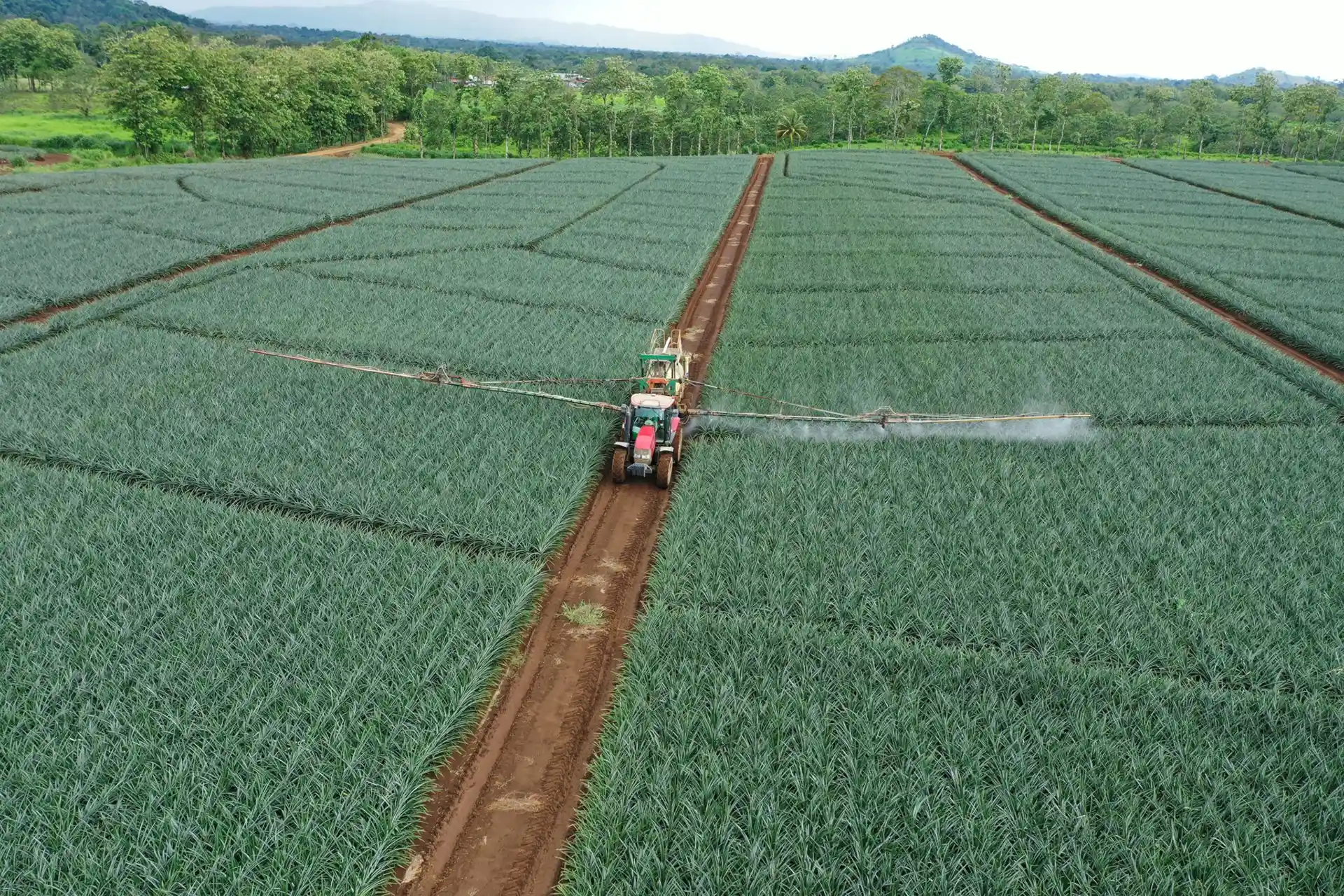
In 2005, Agrícola Industrial La Lydia took on the production of pineapple, which it markets in Europe and the Americas.
Among the company's diversity and added value are activities that currently account for a larger share of its business, such as forestry, the manufacture of wooden articles, and the production, marketing, and export of dehydrated snacks.
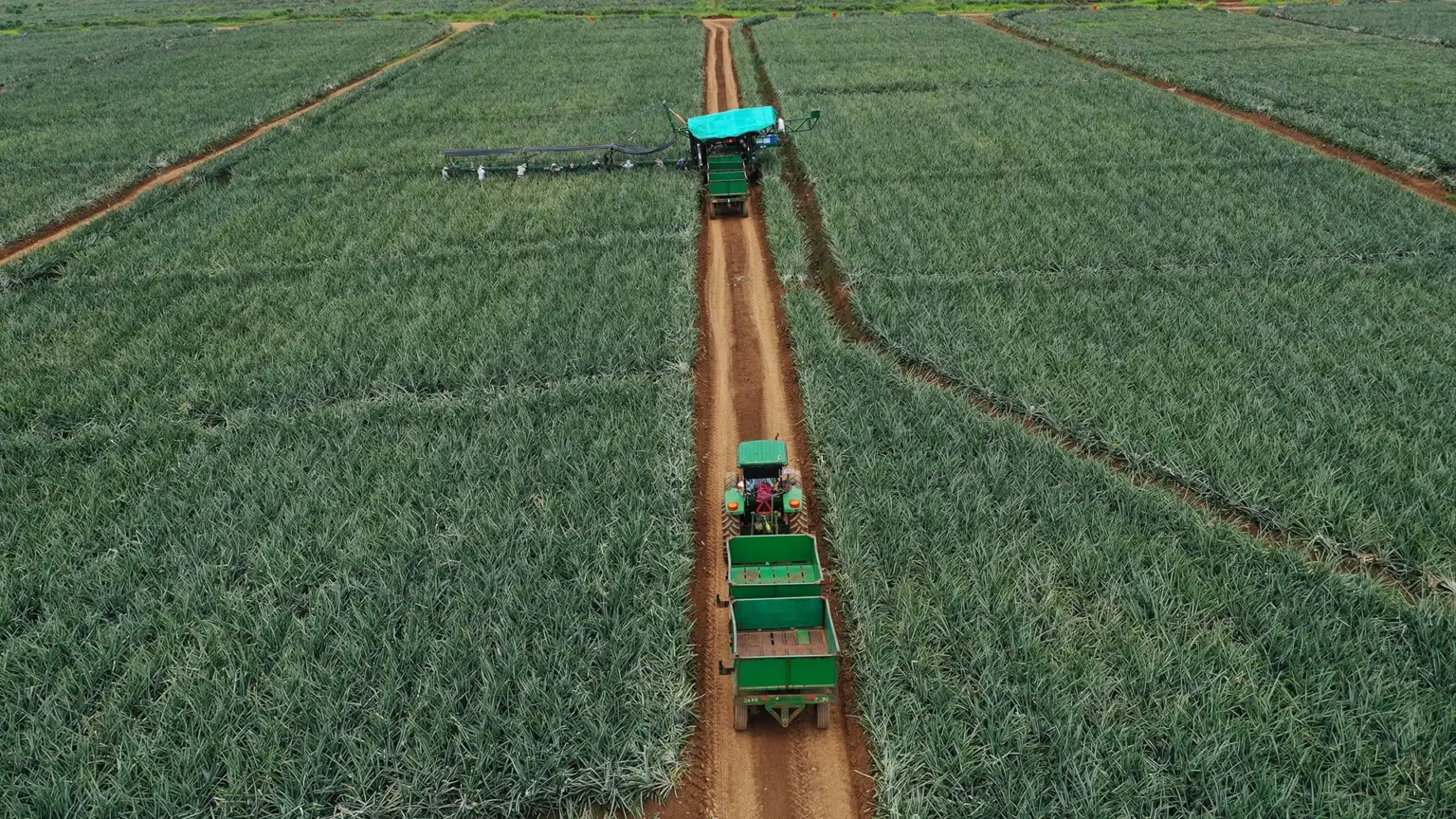

Today, Agrícola Industrial La Lydia S.A. carries out comprehensive engineering of its territory to improve productivity in its three key areas:
Piña, with its own brand PUREJOY, with the aim of consolidating export markets; in addition, the industrialization of the product by producing healthy snacks.
Wood products for the construction industry, as well as furniture and household items; in addition, pallets for the export of various products.
Fattening livestock that uses waste from the production of dehydrated snacks, which then generates inputs for organic fertilizers.